Arabic vs. Arabic: A Dialect Sampler
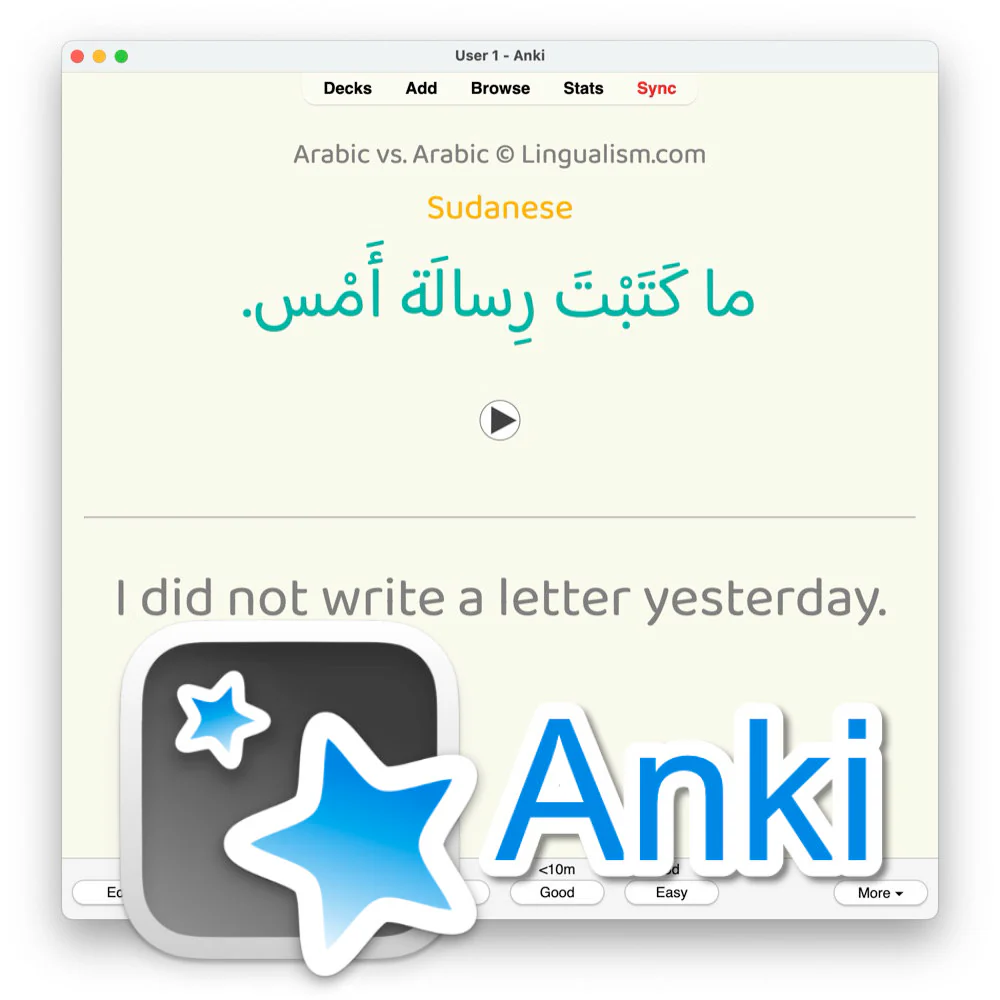
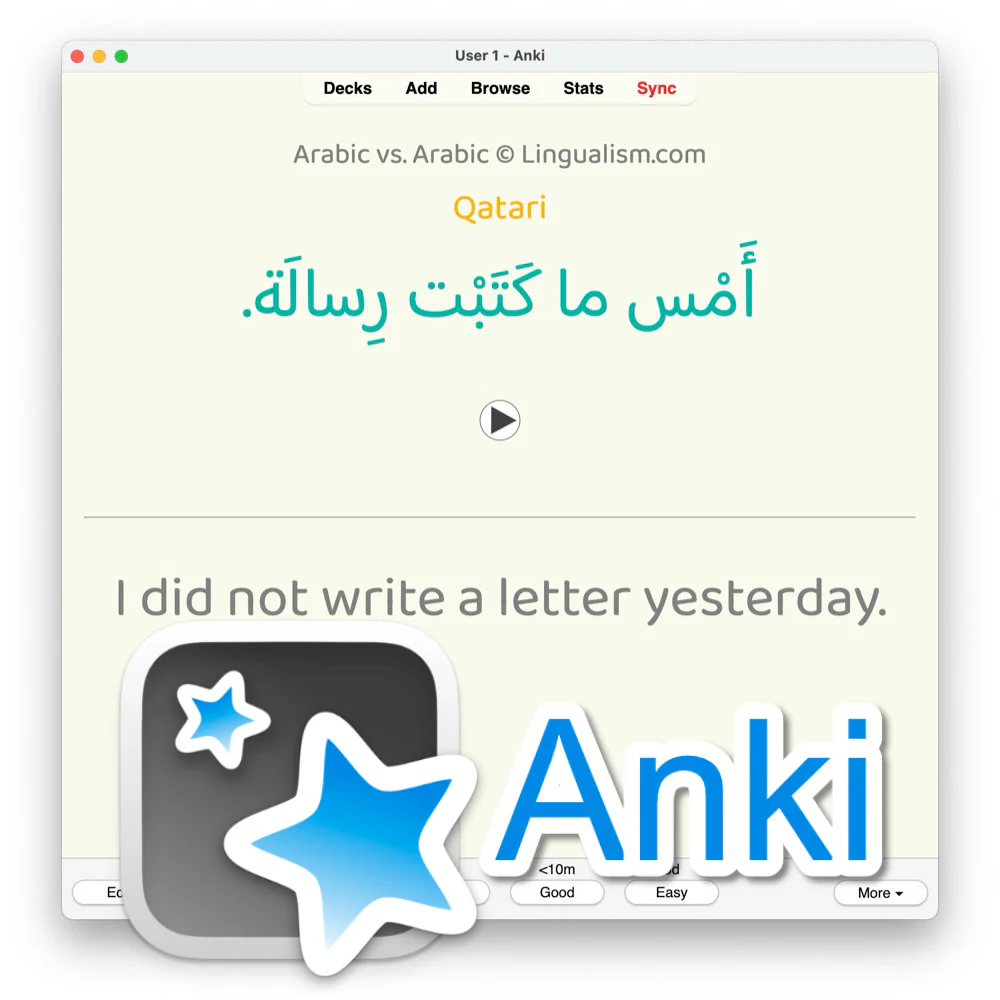
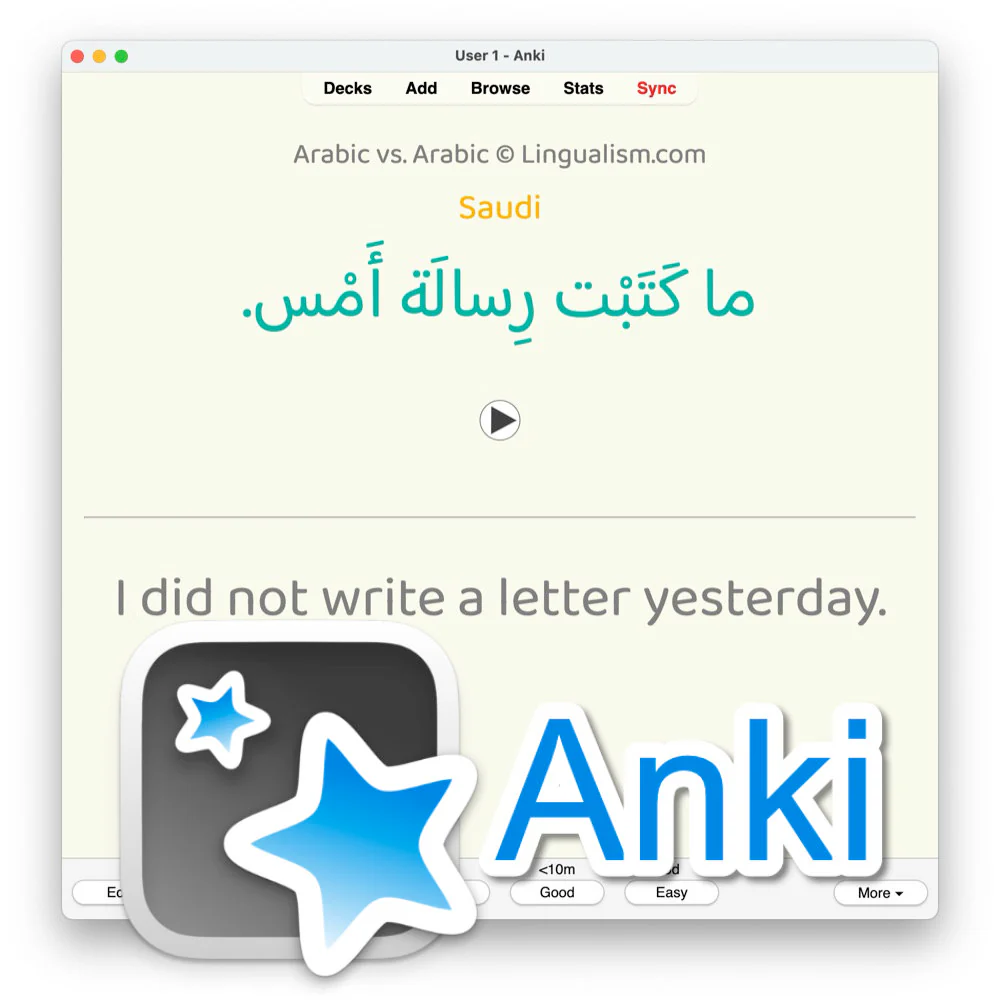
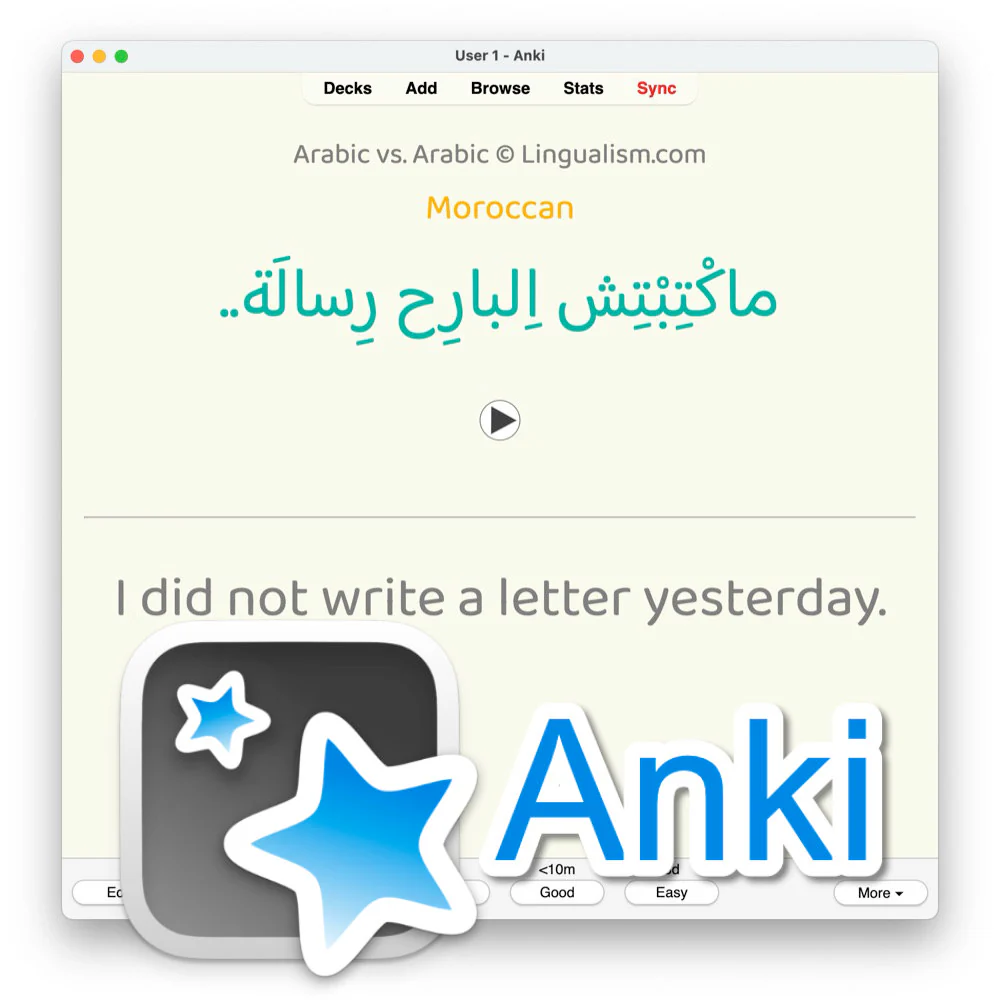
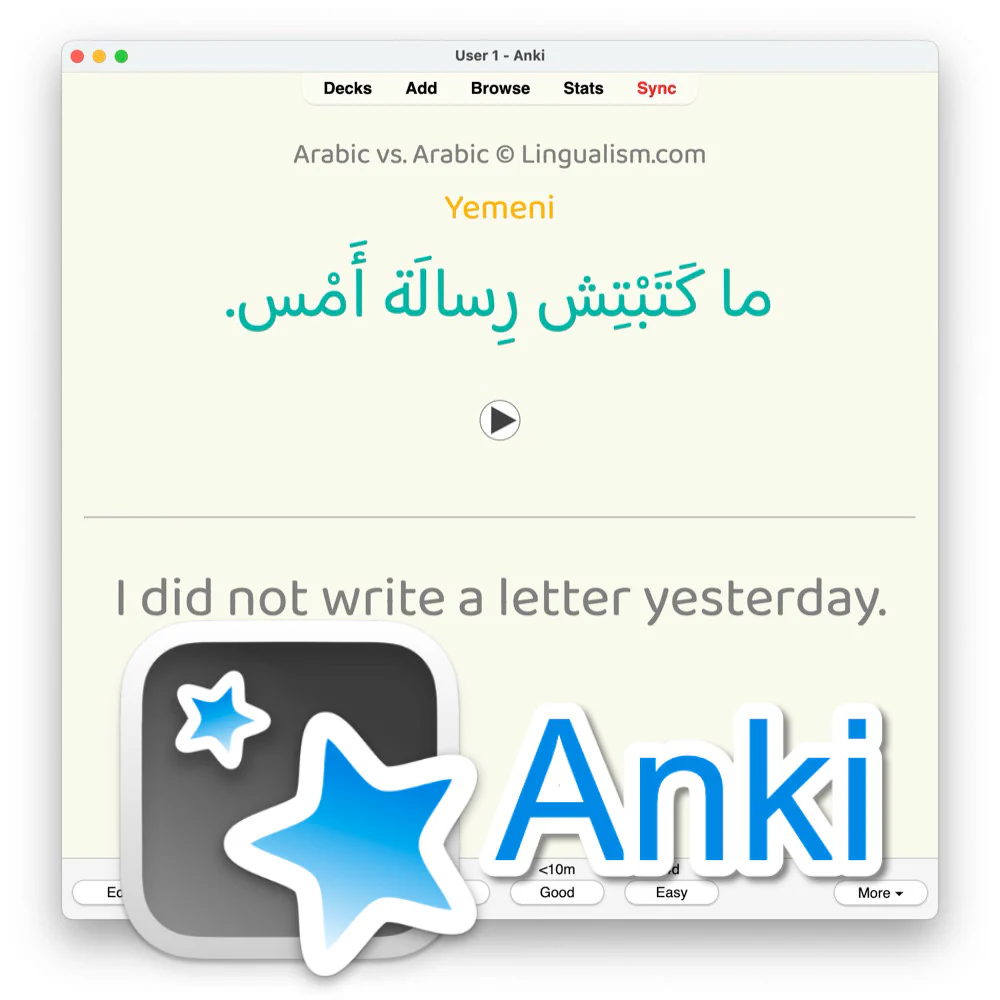
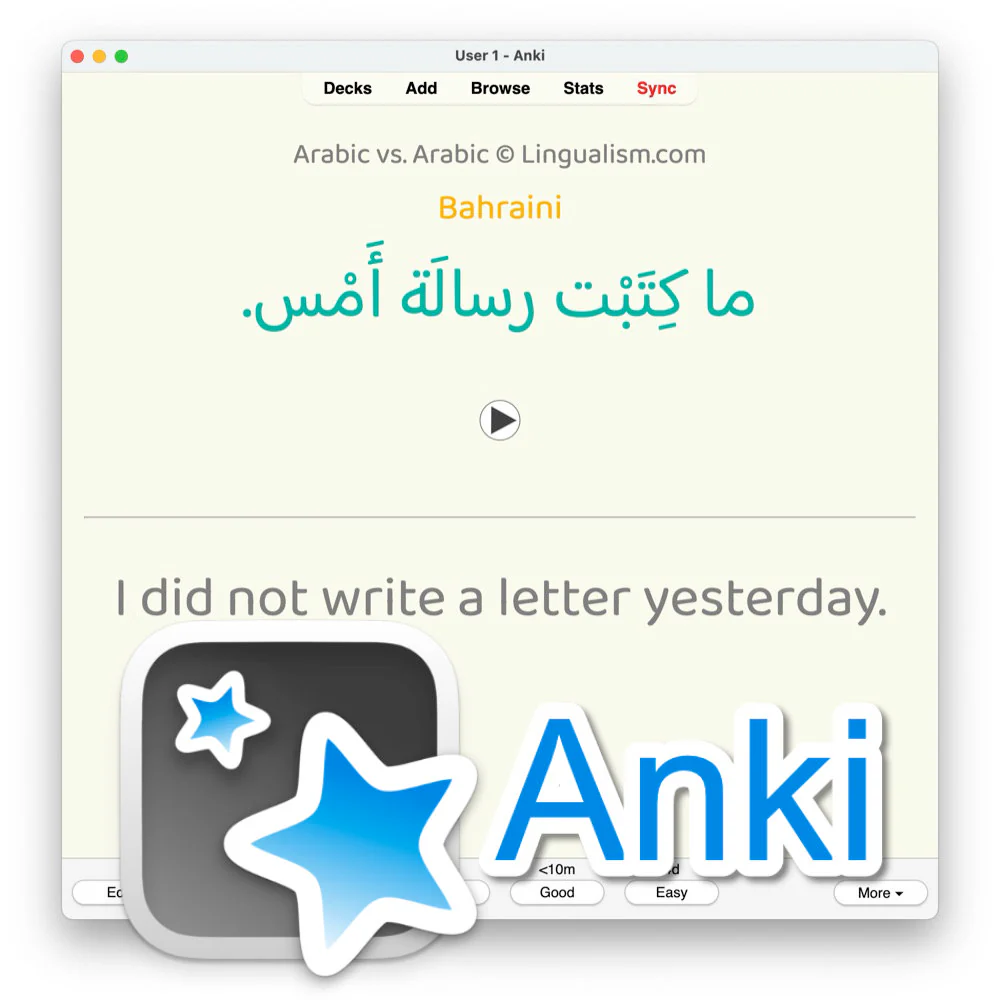
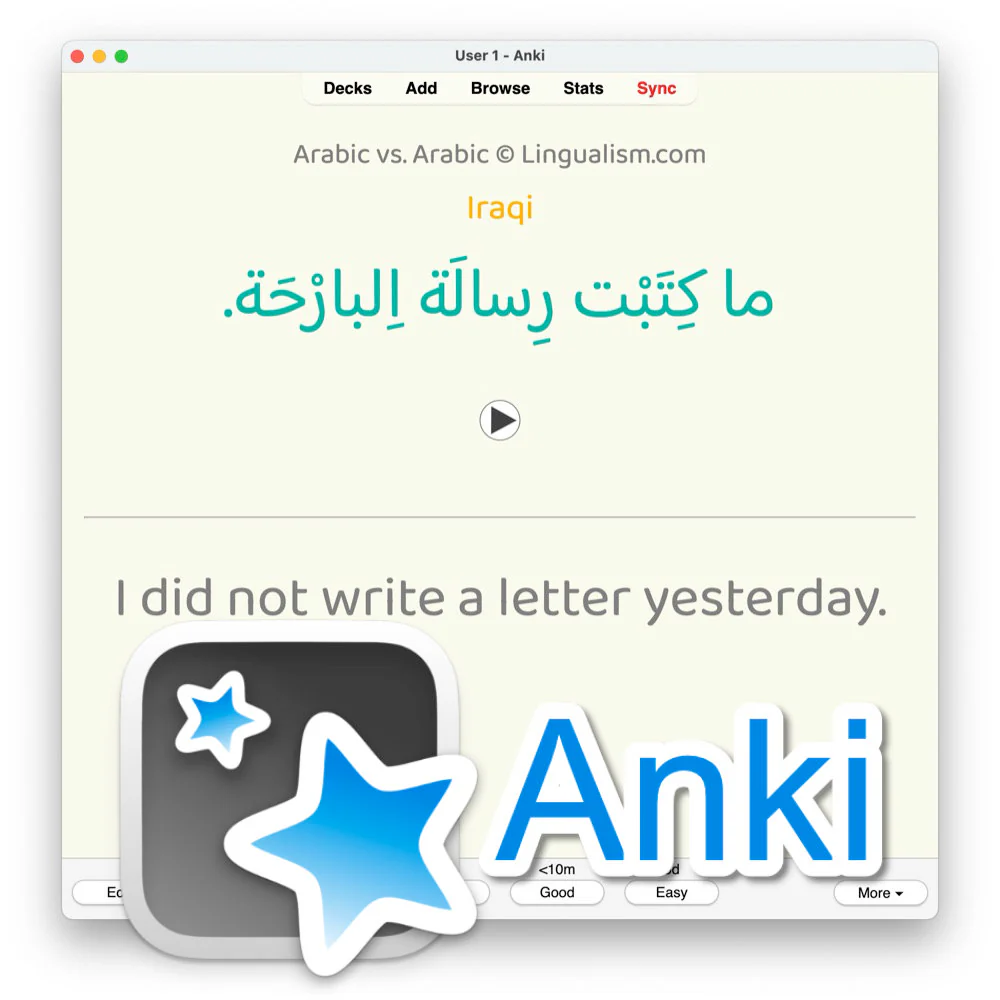
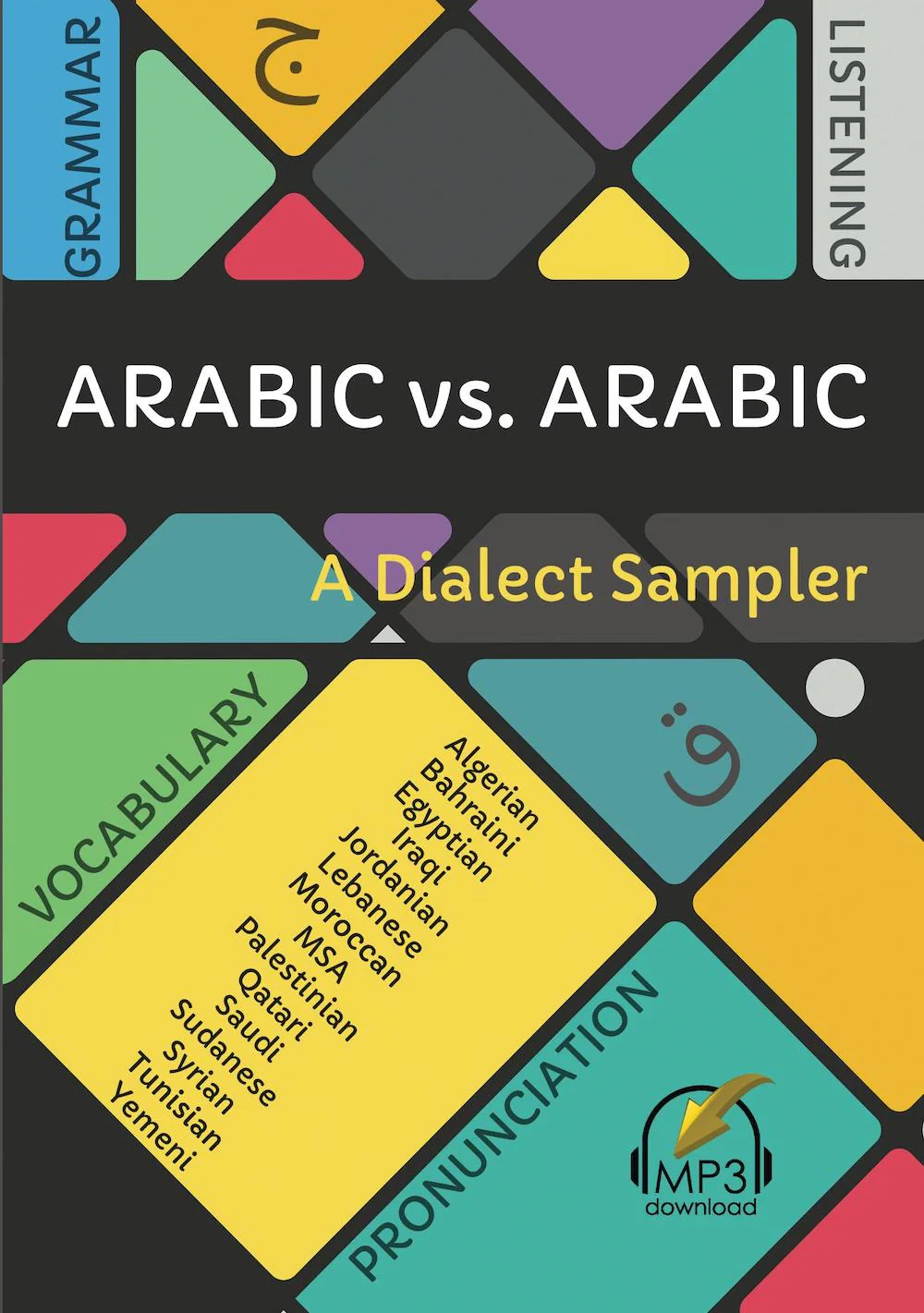
Arabic vs. Arabic is an eBook that lets you explore how Modern Standard Arabic compares with spoken dialects from across the Arab world.
This eBook covers Modern Standard Arabic alongside Moroccan, Algerian, Tunisian, Sudanese, Egyptian, Palestinian, Jordanian, Lebanese, Syrian, Iraqi, Qatari, Bahraini, Saudi (Hejazi), and Yemeni Arabic. Instead of focusing on memorization, it encourages browsing and comparison through clear side-by-side tables. You can see how vocabulary, pronunciation, and grammar vary by region while also identifying shared patterns and areas of mutual intelligibility. Native-speaker audio connects written comparisons with real pronunciation.
What’s inside
- Side-by-side comparison tables for 15 varieties of Arabic.
- Modern Standard Arabic plus 14 regional colloquial dialects.
- Vocabulary themes such as food, technology, animals, and daily life.
- Social expressions and courtesies across regions.
- Comparative grammar sections including pronouns, verb forms, and negation.
- Linguistic and cultural notes explaining regional differences.
- Native-speaker survey insights on dialect difficulty and perception.
- A “Your Notes” section for personal observations.
Who it’s for: Learners of all levels studying Modern Standard Arabic, a spoken dialect, or both, who want a broader understanding of Arabic variation.
Audio: Audio from native speakers of each dialect is available to download or stream below.
Use Arabic vs. Arabic as a sampler, reference, or companion alongside any Arabic study path.
Arabic vs. Arabic is an eBook that lets you explore how Modern Standard Arabic compares with spoken dialects from across the Arab world.
This eBook covers Modern Standard Arabic alongside Moroccan, Algerian, Tunisian, Sudanese, Egyptian, Palestinian, Jordanian, Lebanese, Syrian, Iraqi, Qatari, Bahraini, Saudi (Hejazi), and Yemeni Arabic. Instead of focusing on memorization, it encourages browsing and comparison through clear side-by-side tables. You can see how vocabulary, pronunciation, and grammar vary by region while also identifying shared patterns and areas of mutual intelligibility. Native-speaker audio connects written comparisons with real pronunciation.
What’s inside
- Side-by-side comparison tables for 15 varieties of Arabic.
- Modern Standard Arabic plus 14 regional colloquial dialects.
- Vocabulary themes such as food, technology, animals, and daily life.
- Social expressions and courtesies across regions.
- Comparative grammar sections including pronouns, verb forms, and negation.
- Linguistic and cultural notes explaining regional differences.
- Native-speaker survey insights on dialect difficulty and perception.
- A “Your Notes” section for personal observations.
Who it’s for: Learners of all levels studying Modern Standard Arabic, a spoken dialect, or both, who want a broader understanding of Arabic variation.
Audio: Audio from native speakers of each dialect is available to download or stream below.
Use Arabic vs. Arabic as a sampler, reference, or companion alongside any Arabic study path.
Original: $21.99
-70%$21.99
$6.60Description
Arabic vs. Arabic is an eBook that lets you explore how Modern Standard Arabic compares with spoken dialects from across the Arab world.
This eBook covers Modern Standard Arabic alongside Moroccan, Algerian, Tunisian, Sudanese, Egyptian, Palestinian, Jordanian, Lebanese, Syrian, Iraqi, Qatari, Bahraini, Saudi (Hejazi), and Yemeni Arabic. Instead of focusing on memorization, it encourages browsing and comparison through clear side-by-side tables. You can see how vocabulary, pronunciation, and grammar vary by region while also identifying shared patterns and areas of mutual intelligibility. Native-speaker audio connects written comparisons with real pronunciation.
What’s inside
- Side-by-side comparison tables for 15 varieties of Arabic.
- Modern Standard Arabic plus 14 regional colloquial dialects.
- Vocabulary themes such as food, technology, animals, and daily life.
- Social expressions and courtesies across regions.
- Comparative grammar sections including pronouns, verb forms, and negation.
- Linguistic and cultural notes explaining regional differences.
- Native-speaker survey insights on dialect difficulty and perception.
- A “Your Notes” section for personal observations.
Who it’s for: Learners of all levels studying Modern Standard Arabic, a spoken dialect, or both, who want a broader understanding of Arabic variation.
Audio: Audio from native speakers of each dialect is available to download or stream below.
Use Arabic vs. Arabic as a sampler, reference, or companion alongside any Arabic study path.